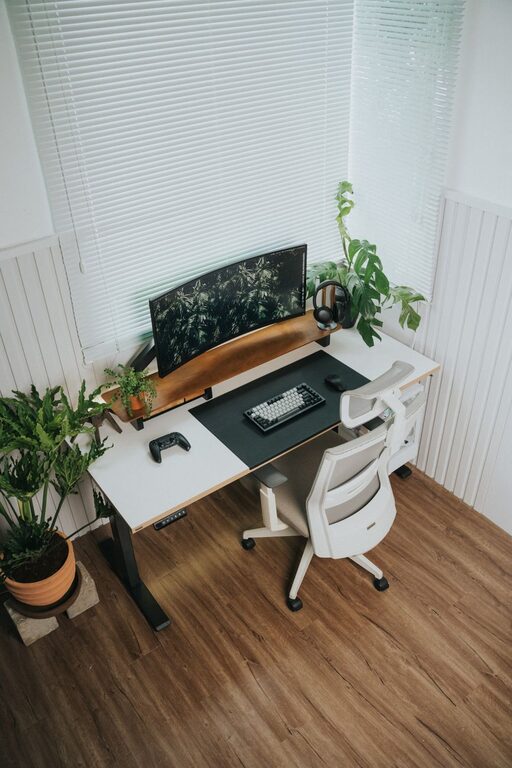
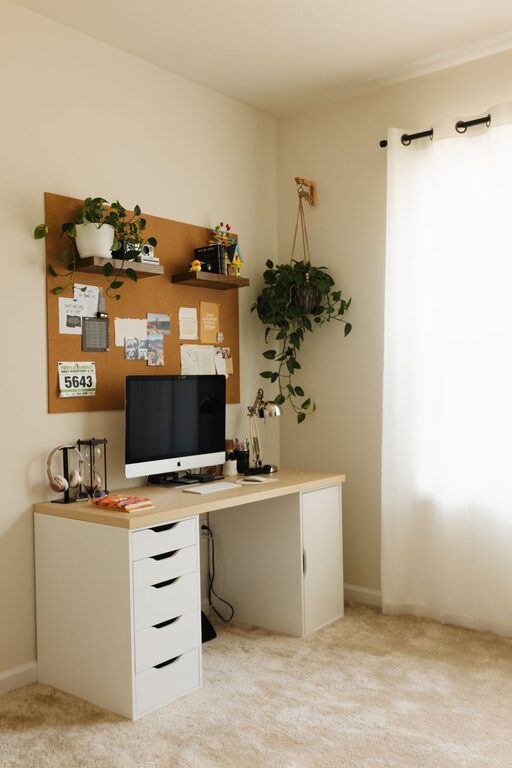
Creating a home office that is both cozy and productive can transform your work-from-home experience. With many people spending more time at home, having a dedicated, inviting workspace is essential for staying motivated and comfortable. Whether you’re setting up a new office or refreshing an existing corner, these tips can help you design a space that supports your best work.
1. Choose the Right Location
Consider Natural Light
Select a spot in your home that gets plenty of natural light. Sunlight can boost your mood and energy, making it easier to focus. If natural light is limited, invest in good quality lighting with adjustable brightness and color temperature.
Minimize Distractions
Find a quiet area away from high-traffic zones. A space that limits noise and interruptions ensures better concentration. If external sounds are unavoidable, consider noise-cancelling headphones or white noise machines.
2. Invest in Ergonomic Furniture
Comfortable Chair
Your chair should support good posture to prevent back and neck pain. Look for adjustable chairs with lumbar support and comfortable cushioning.
Functional Desk
Choose a desk that fits your space and work style. Standing desks or convertible sit-stand options can help reduce fatigue and boost circulation during long work sessions.
3. Organize Your Space Smartly
Declutter Regularly
Keep your desk and surrounding area free of unnecessary items. Clutter can cause stress and distraction, so maintain a clean and organized workspace.
Use Storage Solutions
Incorporate shelves, drawers, or filing cabinets to store documents, supplies, and equipment. Keeping essentials within reach but out of sight helps maintain a tidy area.
4. Personalize Your Workspace
Add Comfort Elements
Include soft cushions, a cozy throw, or an area rug to make the space inviting. Feeling physically comfortable can enhance focus and reduce stress.
Decorate Thoughtfully
Choose artwork, plants, or decor items that inspire and relax you. Plants, in particular, can improve air quality and create a calming atmosphere.
5. Optimize Technology Setup
Reliable Equipment
Ensure your computer, printer, and other technology are reliable and up to date. Slow or faulty equipment can disrupt workflow.
Cable Management
Use cable clips or sleeves to keep cords organized and out of the way. A clutter-free setup prevents distractions and potential hazards.
6. Set Boundaries and Routines
Define Work Hours
Establish clear start and end times for your workday to balance productivity and personal time.
Create a Transition Ritual
Develop rituals to signal the start and end of your workday, like a short walk, a cup of tea, or organizing your desk. This helps your mind separate work from relaxation.
7. Incorporate Movement and Breaks
Encourage Stretching
Design your space to allow for easy stretching breaks. Regular movement can reduce fatigue and improve focus.
Take Scheduled Breaks
Use reminders or apps to take short breaks throughout the day, helping to maintain energy and creativity.
—
By thoughtfully planning your home office space—combining comfort with functionality—you can create an environment that supports both your well-being and work goals. With these tips, your home office can become a place you look forward to spending time in every day.