
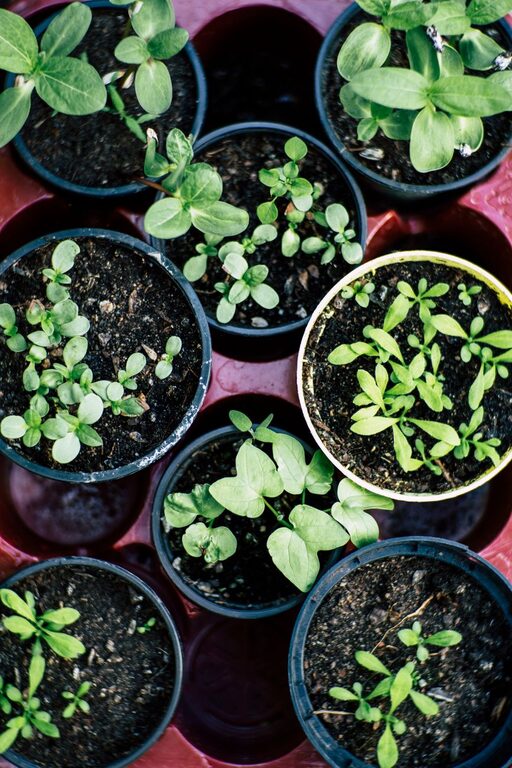
Creating a relaxing home garden is a wonderful way to bring peace and natural beauty into your daily life. Even if you’re new to gardening, with a few simple steps, you can design a peaceful outdoor space to unwind, enjoy fresh air, and connect with nature. This guide will walk you through easy-to-follow tips to help beginners create their perfect garden retreat.
Start with a Plan
Before you dig in, take a moment to plan your garden. Consider the space you have, the sunlight available, and how you want to use your garden. Do you want a quiet reading nook, a space for meditation, or a place to grow herbs and flowers?
– Measure the area you want to use.
– Note the sun exposure throughout the day.
– Think about your favorite plants or styles (formal, wild, minimal).
– Decide on the features you want like seating, paths, or water elements.
Having a clear plan helps you make smart choices and prevents wasted effort or money.
Choose the Right Location
Sunlight is key to a healthy garden. Most flowering plants and herbs need at least 6 hours of sun daily. Observe your yard or balcony at different times to find a spot with good light.
If your area is mostly shaded, focus on shade-loving plants like ferns, hostas, or ivy. Don’t forget water access—placing the garden near an outdoor faucet or where it’s easy to carry watering cans makes maintenance easier.
Select Easy-Care Plants
For beginners, picking hardy and low-maintenance plants reduces stress. Plants that adapt well to your climate and soil will thrive with basic care. Here are some simple options for a relaxing garden:
– Lavender: fragrant, grows well in sun, and attracts pollinators.
– Succulents: store water, need little watering, and come in many shapes.
– Herbs: basil, mint, rosemary, and thyme are useful in the kitchen and easy to grow.
– Perennials: daisies, coneflowers, and ornamental grasses come back year after year.
– Peace lilies and ferns: great for shaded spots.
Mix different plant types for a layered, peaceful look and keep variety interesting.
Prepare the Soil
Healthy soil is the foundation of any garden. You might need to improve your soil by:
– Removing weeds and debris.
– Loosening compacted soil with a rake or shovel.
– Adding organic material like compost or mulch to enrich nutrients and improve drainage.
Good soil encourages roots to grow strong, making plants more resilient to pests or drought.
Create Cozy Garden Features
To make your home garden truly relaxing, think about adding features that invite you to spend time there.
– Seating: A bench, hammock, or simple chairs provide a spot to relax and enjoy your garden.
– Paths: Stone or gravel paths help you walk around without disturbing plants.
– Water features: Small fountains, birdbaths, or ponds add soothing sounds.
– Lighting: Solar lights or fairy lights create ambiance and extend enjoyment into the evening.
Personal touches like garden art, wind chimes, or a small table add character and comfort.
Watering and Maintenance Tips
Gardens need regular care, but it doesn’t have to be overwhelming.
– Water deeply but less often to encourage strong roots.
– Early morning or late afternoon watering reduces evaporation.
– Mulch helps keep soil moist and reduces weeds.
– Prune dead stems and spent flowers to promote new growth.
– Check for pests and treat gently or organically when possible.
Setting a loose schedule for basic tasks keeps your garden healthy without stress.
Enjoy Your Garden Retreat
Most importantly, use your garden as a space to relax and recharge. Try spending a few minutes each day outside, whether it’s sipping tea, reading, or just listening to birds. Over time, your garden will grow alongside your enjoyment of it.
Final Thoughts
Starting a relaxing home garden doesn’t require a green thumb or a big budget. By planning carefully, choosing easy plants, and adding cozy elements, beginners can create a beautiful, stress-free garden. Garden slowly and enjoy the process—it’s as rewarding as the destination.
Happy gardening!