
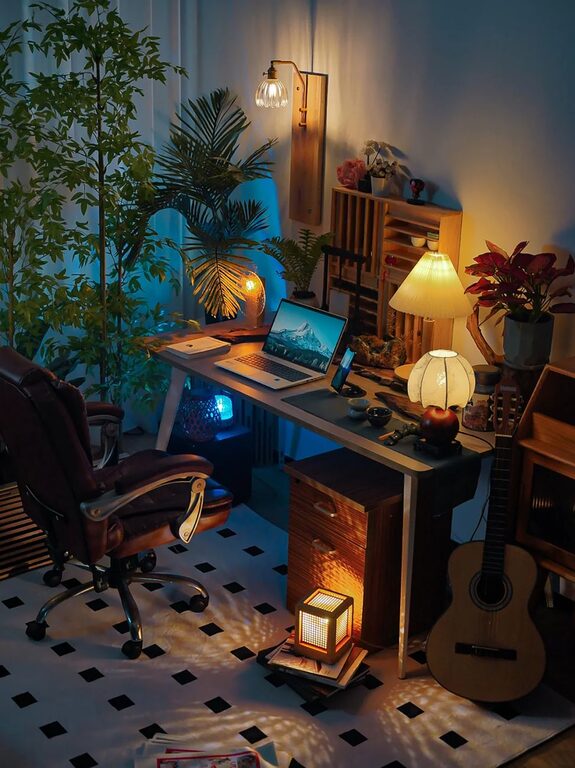
Creating a cozy and inviting home workspace is essential for maintaining focus, comfort, and productivity throughout your workday. Whether you’re working remotely full-time or simply need a dedicated spot for occasional tasks, your workspace should feel welcoming and efficient. Below, we share practical tips to help you design a home office that balances comfort with function.
Why a Cozy Workspace Matters
A well-designed workspace can dramatically influence how you approach your work. When your environment feels pleasant and organized, it encourages motivation and reduces stress. A cramped or cluttered space, on the other hand, might lead to distractions and decreased productivity. By focusing on comfort and aesthetics, you create a setting where work feels less like a chore.
Choosing the Right Location
Start by selecting a location in your home suited for work:
– Quiet Area: Pick a spot away from high-traffic zones to minimize interruptions.
– Natural Light: Aim for a space near windows to benefit from daylight, which can improve mood and energy.
– Space Availability: Choose a corner or room with enough space for your furniture and any work materials you need.
If space is tight, even a small nook can become effective with thoughtful organization.
Furnishing Your Workspace Comfortably
Comfort plays a big role in productivity. Use the following tips to furnish your home office with comfort in mind:
Ergonomic Chair
Invest in a good-quality ergonomic chair that supports your back and encourages proper posture. Proper support can prevent discomfort during long work sessions.
Suitable Desk
Choose a desk that fits your space and needs. If you prefer standing, consider a sit-stand desk to alternate positions easily.
Layout and Arrangement
Arrange your desk and chair so your computer screen is at eye level to reduce neck strain. Keep your most-used items within arm’s reach to streamline workflow.
Adding Warmth and Personality
To make your space cozy and inviting, consider adding personal touches:
– Soft Textiles: Use cushions, throws, or a small rug to add texture and warmth.
– Colors: Incorporate calming or uplifting colors through accessories or paint. Colors like soft blues, greens, or warm neutrals promote focus and relaxation.
– Artwork and Decor: Add pictures, plants, or other decor items that inspire you, but avoid clutter.
These details contribute to a pleasant atmosphere that invites you to spend time productively.
Lighting Tips for Comfort and Focus
Good lighting is crucial in creating a welcoming workspace.
– Natural Light: Maximize daylight but avoid glare on your monitor. Use sheer curtains to diffuse bright sunlight.
– Task Lighting: Use adjustable desk lamps for focused lighting, especially during evening hours. Warm LED bulbs can reduce eye strain.
– Ambient Lighting: Incorporate soft overhead or floor lamps to create balanced lighting without harsh shadows.
Organizing for Efficiency
An organized workspace helps reduce distractions and improve work flow.
– Storage Solutions: Use shelves, drawers, or boxes to keep supplies tidy and accessible.
– Cable Management: Organize cords with clips or sleeves to keep your desk neat.
– Decluttering: Regularly clear away unnecessary items to maintain a clean environment.
When your workspace is orderly, it’s easier to concentrate and find what you need quickly.
Incorporating Technology Thoughtfully
Technology supports productivity, but too many devices or cables can create chaos.
– Use wireless devices where possible to reduce clutter.
– Position charging stations away from your main workspace but within reach.
– Keep your computer, printer, and other essentials clean and updated.
Enhancing Air Quality and Comfort
Good air circulation helps keep you alert and comfortable.
– Open windows when weather permits to let in fresh air.
– Add indoor plants, which can improve air quality and add natural beauty.
– Use a small fan or air purifier if needed to maintain a pleasant environment.
Creating Boundaries for Work-Life Balance
If your home workspace doubles as a personal space, setting boundaries can help separate work time from relaxation:
– Establish specific work hours to define when your space is for work only.
– Use room dividers or curtains if your office is part of a multipurpose room.
– At the end of the day, tidy your desk and close your workspace to signal the end of work time.
Final Thoughts
Creating a cozy and inviting home workspace is about balancing comfort, functionality, and personal style. By choosing the right location, adding ergonomic furniture, thoughtful lighting, and personal touches, you’ll craft a space where work feels natural and enjoyable. Spend time optimizing your environment—it’s an investment in your well-being and productivity.