
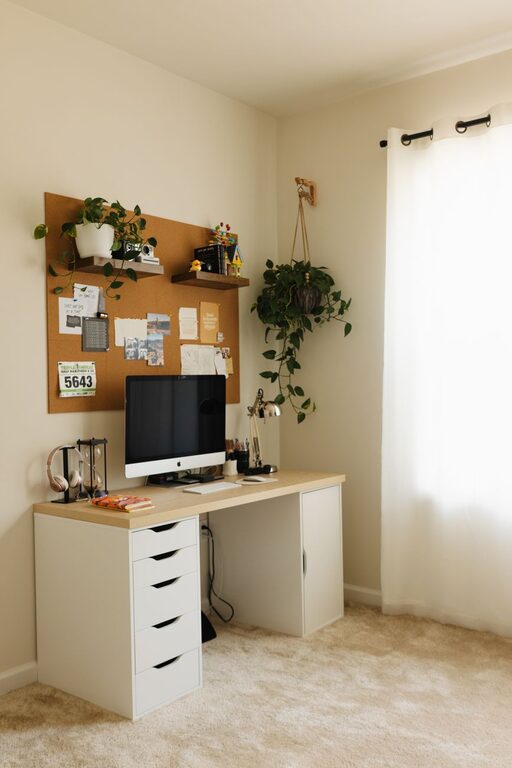
Creating a cozy and productive home office is essential for anyone working from home or needing a dedicated space for focused tasks. A well-designed workspace can help you stay motivated, reduce distractions, and maintain a healthy work-life balance. Whether you have a small corner or a whole room to dedicate to your office, these tips will help you craft a space that is both inviting and efficient.
Choose the Right Location
The first step in setting up your home office is selecting the right spot. Ideally, pick a quiet area away from heavy household traffic or noise. Natural light is a bonus—it can improve your mood and reduce eye strain. If natural light isn’t an option, make sure the space is well-lit with soft but bright enough lighting.
Consider these options:
– A spare bedroom
– A corner in the living room or bedroom
– A section of the basement or attic
– A dedicated nook by a window
Invest in Comfortable and Functional Furniture
Your furniture choices can make or break your work experience. Comfort is key for long hours of sitting, but function is also important to keep everything organized.
Desk
Choose a desk that fits your available space and work needs. Standing desks are popular for health benefits, but a traditional desk with enough surface area for your computer, notepad, and other tools works well too.
Chair
A supportive ergonomic chair can prevent back pain and improve posture. Look for adjustable features such as height, armrests, and lumbar support.
Storage
Keep clutter at bay with shelves, drawers, or filing cabinets. Organized storage ensures everything is within reach when you need it and helps maintain a clean look.
Personalize Your Space
Make your office feel like your own by adding personal touches. This helps create a cozy atmosphere that invites you to spend time there.
– Hang artwork or photos that inspire you
– Add plants to bring in color and improve air quality
– Use decorative but practical items like a stylish clock or pen holder
– Choose colors you find calming or energizing for your decor
Optimize Lighting
Good lighting reduces fatigue and enhances focus. Combine different types of lighting to create a balanced environment:
– Natural light during daytime
– Overhead lighting for general brightness
– Desk lamps for task lighting, ideally with adjustable brightness and color temperature
Avoid glare on your computer screen by positioning your desk perpendicular to windows or using blinds to control direct sunlight.
Keep Technology Simple and Efficient
Your tech setup should support productivity without causing frustration.
– Use a reliable computer and fast internet connection
– Invest in a quality keyboard and mouse to reduce strain
– Consider noise-cancelling headphones to block distractions
– Manage cables with organizers or clips to keep your desk tidy
Establish Boundaries and Routine
A cozy, productive workspace isn’t just about physical space—it’s also about mindset.
– Set working hours and stick to them as much as possible
– Use signals (like closing the door or a “do not disturb” sign) to alert others you’re working
– Take regular breaks to stretch, hydrate, and rest your eyes
– Keep work materials separate from leisure items to create mental separation between work and relaxation
Add Comfort Features
Small comforts can improve your experience and help maintain focus.
– Use a soft rug or cushion under your chair for extra comfort
– Maintain a comfortable room temperature with fans or heaters as needed
– Keep a water bottle nearby to stay hydrated
– Have a small speaker or device to play music or white noise if it helps you concentrate
Maintain Cleanliness and Organization
A clutter-free office helps reduce stress and improves productivity.
– Declutter your desk at the end of the day
– Use organizers to store papers, cables, and supplies
– Regularly clean surfaces and dust electronics
– Digitize documents when possible to reduce paper buildup
—
Creating a cozy and productive home office is a rewarding process that blends functionality with personal comfort. With thoughtful choices in location, furniture, lighting, and organization, you can build a workspace that supports your best work while also feeling warm and inviting. Remember, your home office should be a place you want to spend time in—not just a place where you have to work.